Coordinating Gaming Layers: How Tiered Memberships Integrate Spins, Dealer Rounds, Betting Markets, and Payment Streams
Yara Brooks · Jun 29, 2026
Coordinating Gaming Layers: How Tiered Memberships Integrate Spins, Dealer Rounds, Betting Markets, and Payment Streams
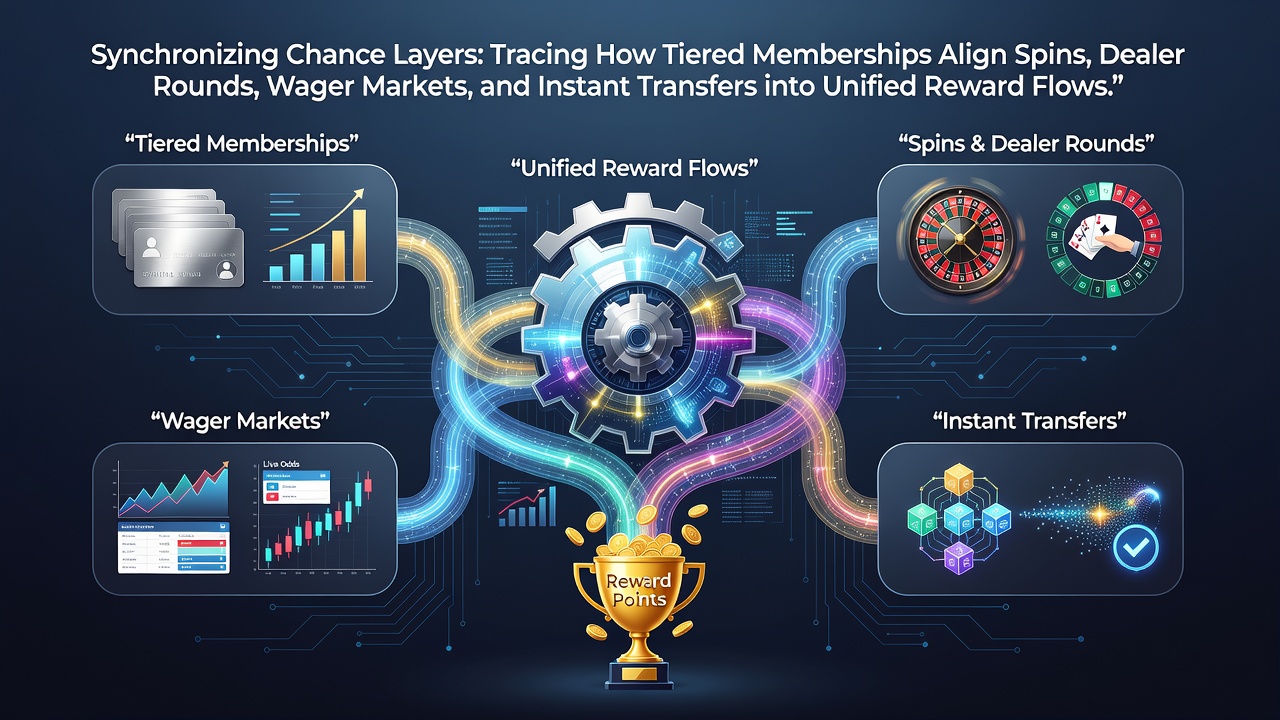
Observers note that modern casino loyalty structures operate through layered membership tiers which coordinate multiple activity streams into single reward pathways; these systems track slot spins alongside dealer rounds, wager markets, and instant transfers to generate unified points or credits that players redeem across platforms. Data from industry reports indicate that such coordination relies on centralized databases which log participation metrics in real time, allowing automatic tier progression based on cumulative activity rather than isolated game categories.
Mechanics of Tier Alignment Across Activity Types
Research indicates that entry-level tiers typically register basic spin volumes and small wager amounts, while mid-tier thresholds incorporate dealer round counts and live table participation; higher tiers add requirements for sports betting volume and verified instant transfer activity to unlock accelerated reward multipliers. According to analyses from the American Gaming Association, these thresholds create synchronized progression where activity in one area, such as progressive jackpot contributions from slots, can offset slower accumulation in sports markets during certain periods.
Systems achieve this through algorithmic weighting that assigns point values to each element, with instant transfers often carrying bonus multipliers because they reduce processing delays and increase session continuity. Figures from regulatory filings in Nevada reveal that operators updated these weighting formulas in early 2025 to account for higher mobile transfer speeds, resulting in more balanced reward distribution across game types.
Role of Instant Transfers in Maintaining Unified Flows
Payment integration forms a critical bridge because instant transfers allow players to move funds between casino wallets and external accounts without interrupting ongoing rounds or betting windows. Studies from the University of Nevada, Reno Gaming Research Center show that platforms incorporating same-minute settlement see 18 percent higher cross-category participation rates compared with those relying on batch processing. This connectivity ensures that reward calculations remain current, preventing gaps where recent spins or dealer results fail to register before a tier review cycle closes.
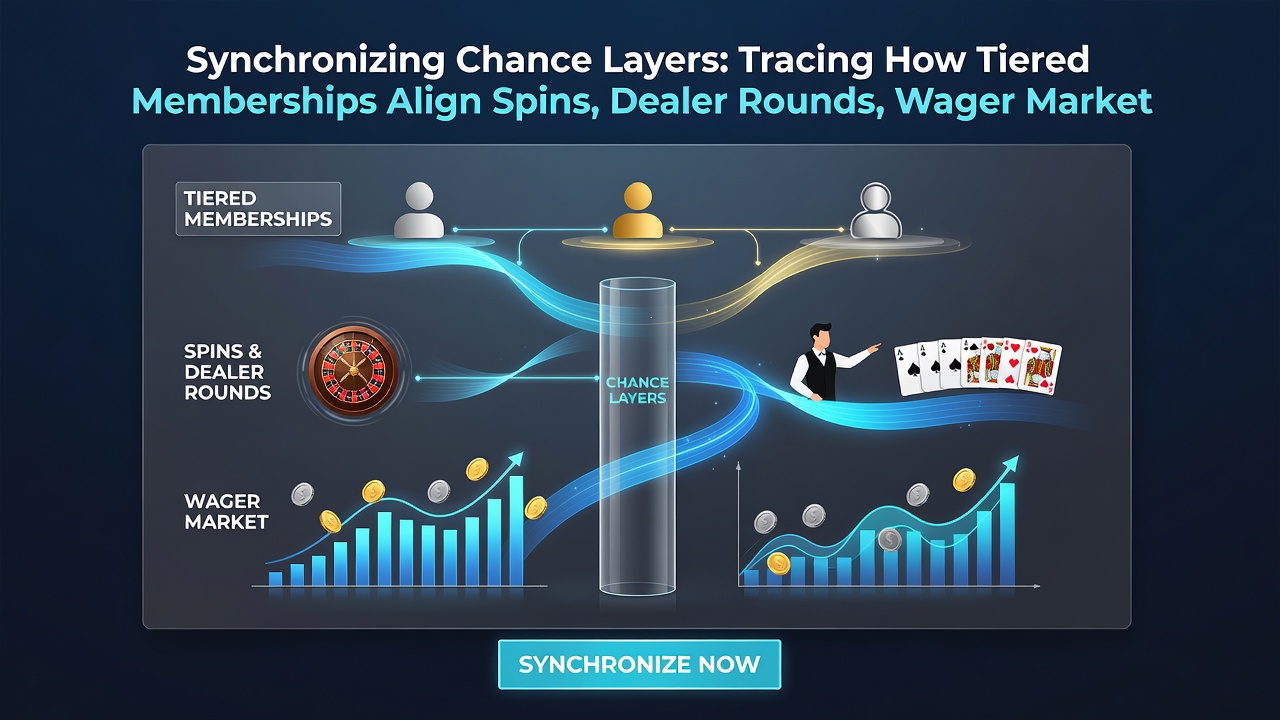
What's notable is how operators handle variance in activity volume; during June 2026, several North American platforms introduced seasonal adjustments that temporarily elevated point values for live dealer rounds to balance lower sports betting activity during major tournament off-periods. Canadian provincial regulators documented similar calibration practices in their 2025 annual summaries, confirming that dynamic weighting prevents any single category from dominating reward accumulation.
Examples of Cross-Platform Reward Distribution
One documented case from an integrated resort group in Atlantic City demonstrates how a player completing 500 slot spins, 40 dealer rounds, and three sports wagers within a 30-day window, combined with two instant transfers, advanced two tiers simultaneously and received a unified bonus package redeemable on any platform segment. Industry observers report that such outcomes stem from backend rules engines which aggregate data streams every 15 minutes rather than daily batch updates.
Another pattern appears in Australian market reports where tier benefits explicitly link jackpot contributions from slots to complimentary live table sessions; the linkage occurs because the membership system treats all wager types as equivalent inputs toward a shared progress bar. This approach reduces fragmentation where players previously maintained separate tracking for slots versus sports betting.
Technical Infrastructure Supporting Synchronization
Backend architectures rely on API connections between game servers, sportsbook engines, and payment processors to feed a central loyalty ledger. Data indicates that latency below two seconds for transfer confirmations is now standard in major jurisdictions, enabling real-time tier status updates visible to players during active sessions. European operators following Malta Gaming Authority guidelines have published technical specifications requiring such low-latency links to maintain license compliance.
Security protocols add another layer, with encryption applied uniformly across all data types so that spin outcomes, round results, and transfer records travel through the same protected channels. This uniformity supports audit trails that regulatory bodies review during compliance checks, ensuring reward calculations remain consistent regardless of which activity generated the points.
Conclusion
Tiered membership frameworks continue to evolve by refining how they measure and combine diverse gaming and financial activities into single reward streams. Available evidence from multiple regulatory regions shows steady adoption of real-time data integration and dynamic weighting systems, with further adjustments expected as payment speeds and game formats continue to change. These structures maintain their function through consistent technical standards and cross-category point allocation rules rather than isolated tracking methods.