Exploring Tiered Reward Architectures That Integrate Sports Betting Odds with Casino Table Game Returns
Elena Lange · Jul 22, 2026
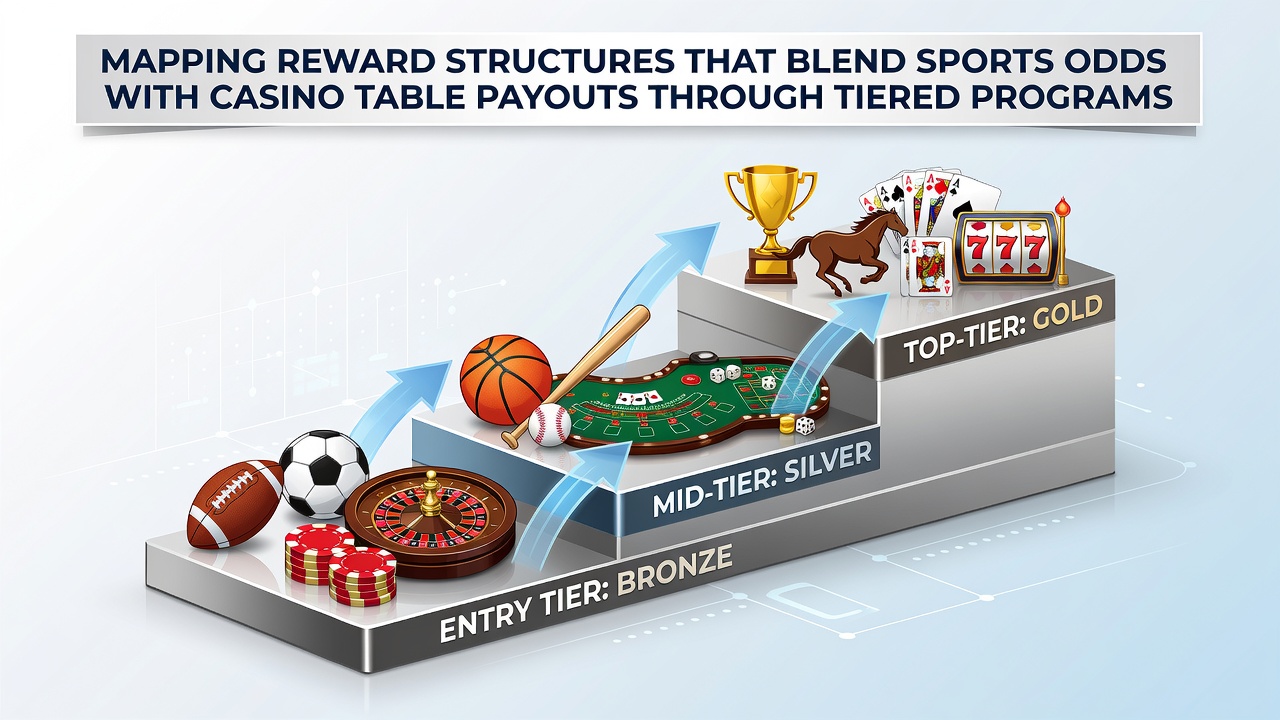
Exploring Tiered Reward Architectures That Integrate Sports Betting Odds with Casino Table Game Returns
Operators have developed tiered loyalty architectures that map points earned from sports betting odds directly onto casino table game payout structures, creating unified progression paths for participants across multiple verticals. These systems assign multipliers based on activity volume, where a sports wager at specific odds thresholds contributes equivalent value toward table game rewards such as enhanced blackjack payouts or roulette return-to-player adjustments.
Core Mechanics of Integrated Tier Progression
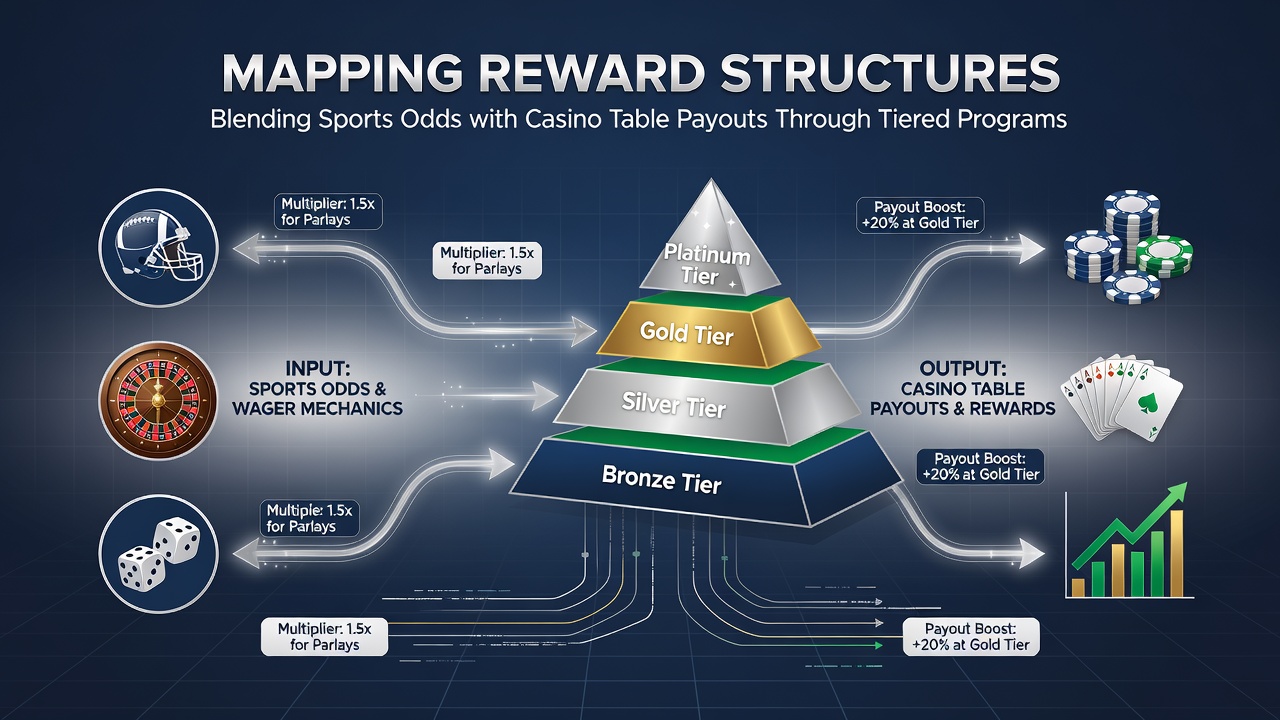
Participants accumulate loyalty points through sports wagers calculated against prevailing odds, and those points convert into tier status that unlocks adjusted payout tables in casino environments. Data from industry tracking platforms shows that higher tiers apply progressive multipliers to table game returns, often ranging from 1.05x at entry levels to 1.25x at top strata, while sports odds remain fixed according to market lines. Observers note that this mapping relies on standardized conversion rates set by operators to maintain equilibrium between the two product categories.
Implementation requires precise algorithms that weigh odds volatility against table game house edges, ensuring point contributions scale proportionally. In practice, a participant placing wagers on events with plus-money odds receives accelerated point accrual that translates into better table game conditions once tier thresholds are met.
Point Conversion Frameworks Across Product Lines
Conversion frameworks establish fixed ratios between sports betting turnover and table game reward eligibility, with many programs using a 1:1 base rate adjusted by tier multipliers. Research indicates that these ratios draw from aggregated player data sets collected over multiple quarters, allowing operators to calibrate systems without disrupting individual product margins. Those who study such architectures find that seasonal adjustments occur around major sporting events to balance influxes of sports-focused activity with steady table game engagement.
Additional layers include bonus point events tied to specific table game sessions, where tier status amplifies both sports odds-related earnings and payout uplifts simultaneously. This dual-benefit structure encourages cross-vertical participation without altering base odds or standard table returns.
July 2026 Industry Data Patterns
Figures released in July 2026 revealed increased adoption of these hybrid tier systems among multi-jurisdictional operators, with participation rates rising in markets that permit combined sports and table offerings. According to reports compiled by the American Gaming Association, average point conversion volumes between sports and table segments grew by measurable margins during the first half of that year, reflecting broader integration trends. These patterns emerged alongside regulatory reviews in several North American regions that examined payout transparency within tiered structures.
Operational Examples from Established Programs
One documented case involves a North American operator that aligned National Football League odds activity with blackjack payout tables, granting tiered participants access to 3:2 blackjack returns at mid-level status rather than standard 6:5 configurations. Another instance from Australian markets showed rugby league wagering points mapping onto baccarat commission reductions for qualifying tiers, as tracked in industry association summaries. These examples demonstrate consistent application of mapping principles without deviation from core regulatory payout limits.
Program administrators maintain audit trails that document how each sports odds outcome contributes to table game eligibility, supporting compliance across jurisdictions. External audits conducted by independent firms verify that conversion algorithms remain within approved parameters, preventing unintended payout inflation.
Regulatory and Compliance Considerations
Regulatory bodies in multiple regions require clear disclosure of how sports odds activity influences table game rewards, with specific rules around multiplier application. The Australian Gambling Research Centre has published guidance documents outlining best practices for transparent point mapping, emphasizing that participants receive advance notice of tier benefits and conversion mechanics. Compliance frameworks in these jurisdictions mandate periodic reviews of the underlying algorithms to confirm alignment with approved house edge parameters.
Operators address these requirements through dedicated compliance teams that monitor cross-product interactions, adjusting tier thresholds when market conditions shift odds distributions or table game volumes. This ongoing oversight ensures sustained integrity of the reward mapping process.
Conclusion
Tiered architectures that connect sports betting odds to casino table payouts continue to evolve through standardized point conversion and multiplier application. Industry data from mid-2026 indicates sustained implementation across operators, supported by compliance protocols and conversion frameworks that maintain product balance. Observers tracking these developments note that the mapping relies on data-driven calibration rather than ad hoc adjustments, producing measurable integration between the two verticals.