Funding Flows Fueling Stacked Rewards in Integrated Slot and Live Game Platforms
Iris Krüger · Jul 27, 2026
Funding Flows Fueling Stacked Rewards in Integrated Slot and Live Game Platforms
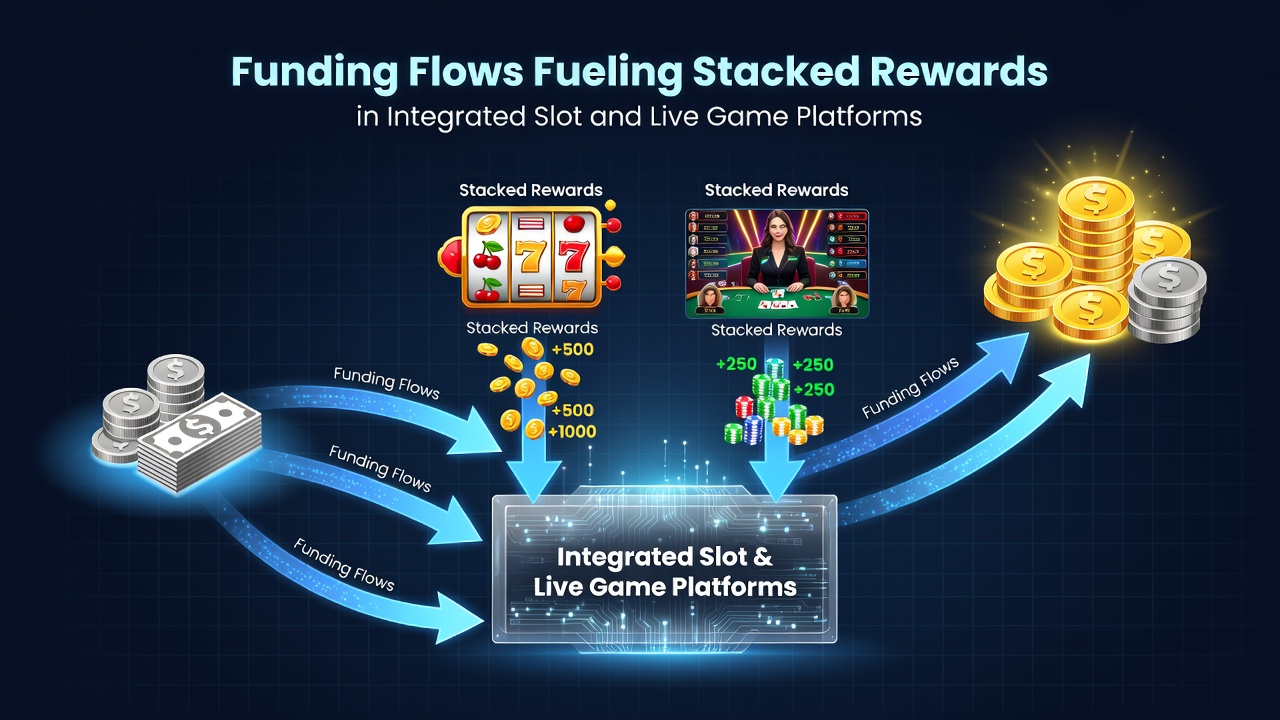
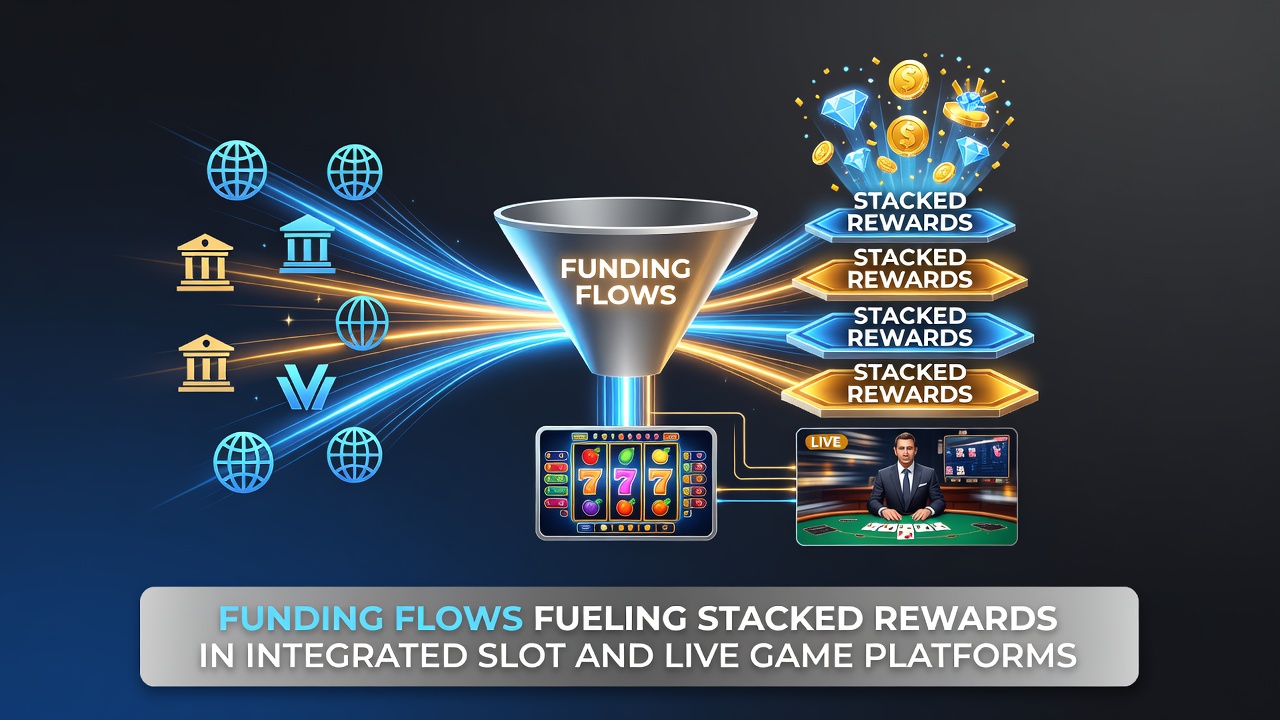
Payment processing systems now connect directly to loyalty architectures in platforms that combine slot machines with live dealer tables, creating layered reward structures where transaction speed and volume influence point accumulation rates. Operators route funds through multiple channels including digital wallets and bank transfers, then apply those flows to unified player accounts that track activity across both game categories simultaneously.
Payment Channel Integration Patterns
Industry reports indicate that platforms using instant settlement methods record higher frequencies of cross-game participation because players move balances between slots and live tables without delays. Data from transaction monitoring services shows that e-wallet usage in these environments grew steadily through mid-2026, with July 2026 figures revealing a 28 percent increase in same-day funding events compared to the prior year. These patterns allow reward engines to register deposits and wagers in real time, stacking bonuses that apply to both automated reel spins and dealer-led rounds.
Mechanics of Stacked Incentive Systems
Unified tracking software assigns multipliers based on total funded amounts and game type diversity, so a player who deposits via a linked account and alternates between progressive jackpot slots and blackjack tables accumulates tier points faster than single-category participants. Researchers at the University of Nevada Reno documented how such algorithms adjust reward thresholds weekly, incorporating average session lengths and funding source categories to maintain engagement across integrated environments. Observers note that this approach reduces friction between game formats while tying financial inflows to escalating benefit levels like cashback percentages and exclusive table access.
Case studies from multi-platform operators demonstrate that players who maintain consistent funding streams through verified channels reach higher loyalty tiers within shorter timeframes, unlocking combined rewards such as slot free spins paired with live game rake credits. These systems rely on API connections between payment processors and game servers to log every transaction against individual profiles.
Regional Regulatory Influences on Funding Structures
Authorities in various jurisdictions require transparent reporting of funding origins that feed into reward calculations, which affects how operators design their stacked programs. According to data released by the Pennsylvania Gaming Control Board, integrated platforms must separate promotional funds from player deposits when calculating taxable activity, prompting refinements in reward distribution logic. Similar requirements appear in other markets, where regulators examine whether instant funding options accelerate progression through VIP ladders that span slots and live dealer offerings.
Industry associations track these developments through aggregated statistics, revealing that platforms with diversified payment rails sustain longer player lifecycles because reward stacking feels responsive to actual funding behavior. One analysis from the American Gaming Association highlighted correlations between payment method variety and participation rates in hybrid game portfolios during the first half of 2026.
Technology Supporting Real-Time Reward Allocation
Backend architectures employ distributed ledgers and event-driven databases to update stacked rewards immediately after each funded wager settles, whether the activity occurs on a slot reel or at a live roulette table. This setup prevents discrepancies between game categories and ensures that funding events trigger appropriate point awards across the entire ecosystem. Developers integrate these features through standardized protocols that accommodate both high-volume slot traffic and the more measured pace of live dealer sessions.
Those who manage large-scale deployments report that synchronization between payment gateways and loyalty modules requires continuous calibration, especially when handling cross-border transactions that carry different fee structures. Such calibration directly influences the perceived value of stacked rewards, as delays in point posting can interrupt player momentum between game types.
Conclusion
Funding mechanisms continue to shape how operators construct and deliver combined rewards across slots and live game platforms, with transaction data serving as the primary input for tier progression and bonus allocation. Regulatory frameworks from multiple regions guide the separation of deposit flows from promotional elements, while technological integrations enable the seamless stacking that defines modern loyalty programs. As payment options expand, these systems adapt to maintain alignment between financial activity and reward outcomes in unified environments.