Interwoven Payment Pathways: Driving Promotion Stacking and Status Elevations in Unified Mobile Ecosystems
Elena Lange · Jun 13, 2026
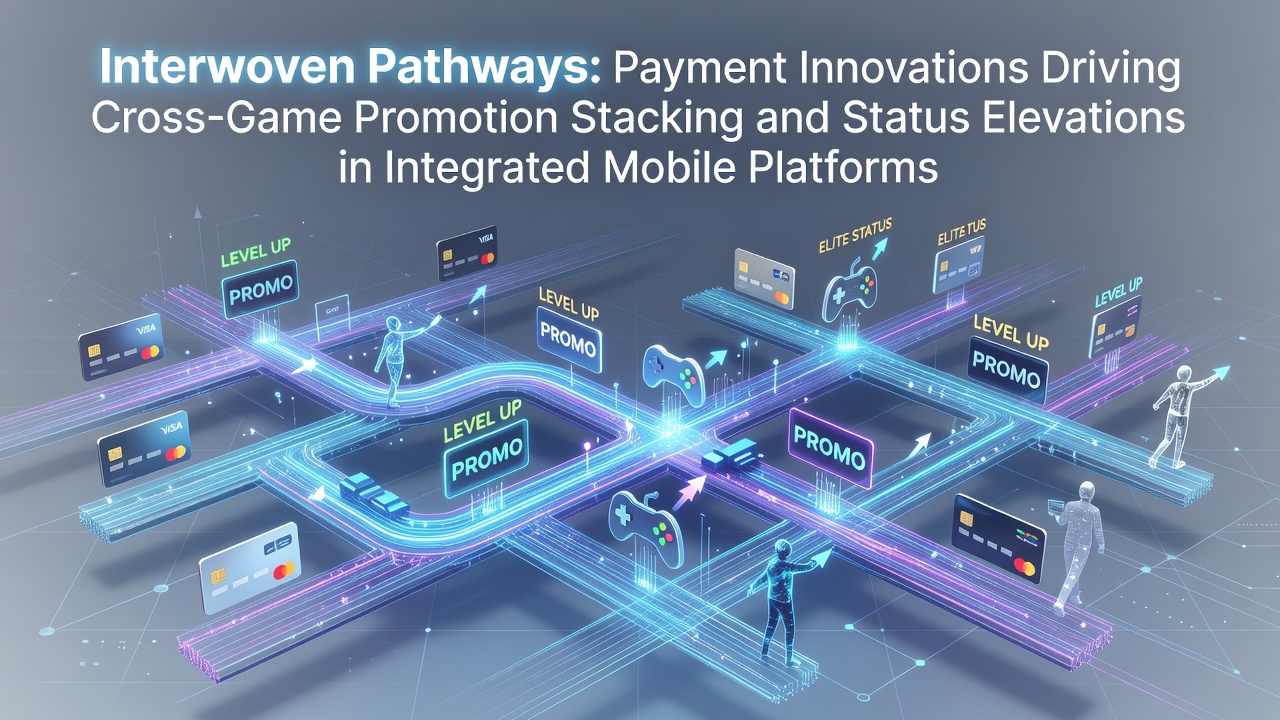
Interwoven Payment Pathways: Driving Promotion Stacking and Status Elevations in Unified Mobile Ecosystems
Payment innovations have reshaped how users navigate rewards across integrated mobile platforms since the widespread adoption of instant transaction technologies. Systems now allow seamless transfers that stack promotions from one game title into another within the same ecosystem, elevating user status through accumulated activity points and tier advancements. Data from mobile commerce reports indicate that these pathways emerged prominently after 2023 updates to in-app billing protocols by major operating systems.
Core Mechanisms Behind Cross-Game Integration
Integrated platforms employ unified wallets that recognize activity across genres, from puzzle apps to strategy titles, converting completed challenges into shared currency units. These units feed directly into promotion layers where bonuses from a racing game apply toward resource packs in a role-playing environment. Observers note that such stacking relies on API connections between payment processors and game servers, enabling real-time status calculations without separate logins for each title.
Technical Foundations Supporting Elevation
Developers integrate token-based ledgers that track multi-game participation, where each transaction updates a central profile accessible across titles. This structure supports status elevations as users reach thresholds that unlock higher reward multipliers. Research from academic institutions, including studies conducted at the University of California, shows that these ledgers reduce friction by consolidating verification steps into single authentication events. As of June 2026, platform operators reported increased adoption of these ledgers following enhancements in biometric confirmation standards.
Payment gateways now embed conditional triggers that activate stacked offers automatically once criteria spanning multiple games are met. For instance, a deposit processed through a digital wallet in one app generates credits usable in affiliated titles, compounding progress toward loyalty tiers. Those who manage platform ecosystems have observed that this approach expands user retention by linking disparate play sessions into continuous advancement paths.
Regional Data Patterns in Adoption
Figures released by the Monetary Authority of Singapore highlight a 47 percent rise in cross-app transaction volumes between 2024 and 2026, driven by localized instant payment rails that interface with global mobile wallets. Similar patterns appear in Canadian market analyses, where integrated platforms recorded elevated status upgrade rates after introducing unified billing dashboards. These developments connect payment speed directly to promotion accessibility, allowing users to layer rewards without manual transfers between accounts.
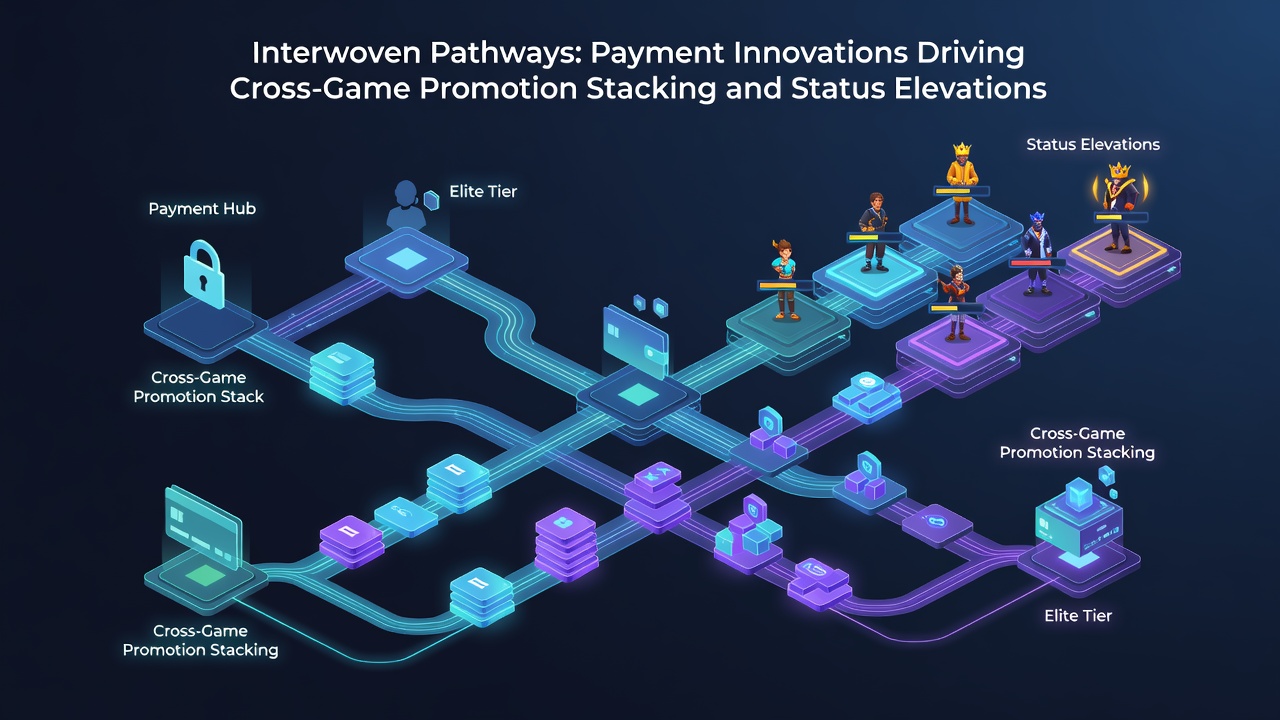
Industry organizations such as the Interactive Games and Mobile Association have documented case examples where payment-linked events in one title trigger bonus eligibility in others. This creates interwoven pathways that reward consistent engagement across the ecosystem. What's interesting is how these systems handle variable transaction sizes, scaling status points proportionally to maintain balance between casual and dedicated participants.
Examples of Promotion Layering in Practice
One documented instance involves a fitness tracking app that shares transaction data with a companion puzzle platform, converting workout milestones funded through the wallet into in-game currency boosts. Another case from European mobile networks demonstrates sports simulation titles feeding progress into narrative-driven adventures via the same payment rail. Researchers discovered that such layering increases overall session frequency because status elevations become visible immediately after each qualifying action.
Yet the architecture demands robust security measures to prevent unauthorized stacking, including encryption standards applied at the transaction layer. Data indicates that platforms incorporating these safeguards experience fewer disputes over reward allocations. Turns out the combination of fast settlement times and transparent tracking logs underpins the reliability of these interwoven systems.
Future Trajectory Based on Current Trends
Projections from trade group reports suggest continued expansion of these pathways as more developers adopt standardized payment APIs. Status elevation mechanics will likely incorporate machine learning adjustments that personalize promotion stacking based on historical activity across linked titles. External analyses from sources like the Federal Reserve mobile payments review confirm that transaction velocity correlates with higher retention metrics in multi-game environments.
Additional insights appear in academic papers examining user behavior in unified platforms, where cross-game rewards reduce churn by aligning incentives across content categories. The reality is that payment innovations serve as the connective tissue enabling these dynamics without requiring users to navigate separate systems for each promotion.
Conclusion
Payment innovations continue to enable cross-game promotion stacking and status elevations by creating unified ledgers and instant transaction pathways within mobile ecosystems. Regional data from Asia and North America illustrate measurable growth in these integrated features through 2026. As platforms refine their technical foundations, the capacity for layered rewards across titles expands accordingly, supported by secure processing standards and transparent tracking mechanisms.