Network Settlements and Tiered Rewards: Their Interplay in Multiple Gaming Formats
Elena Lange · Jul 18, 2026
Network Settlements and Tiered Rewards: Their Interplay in Multiple Gaming Formats
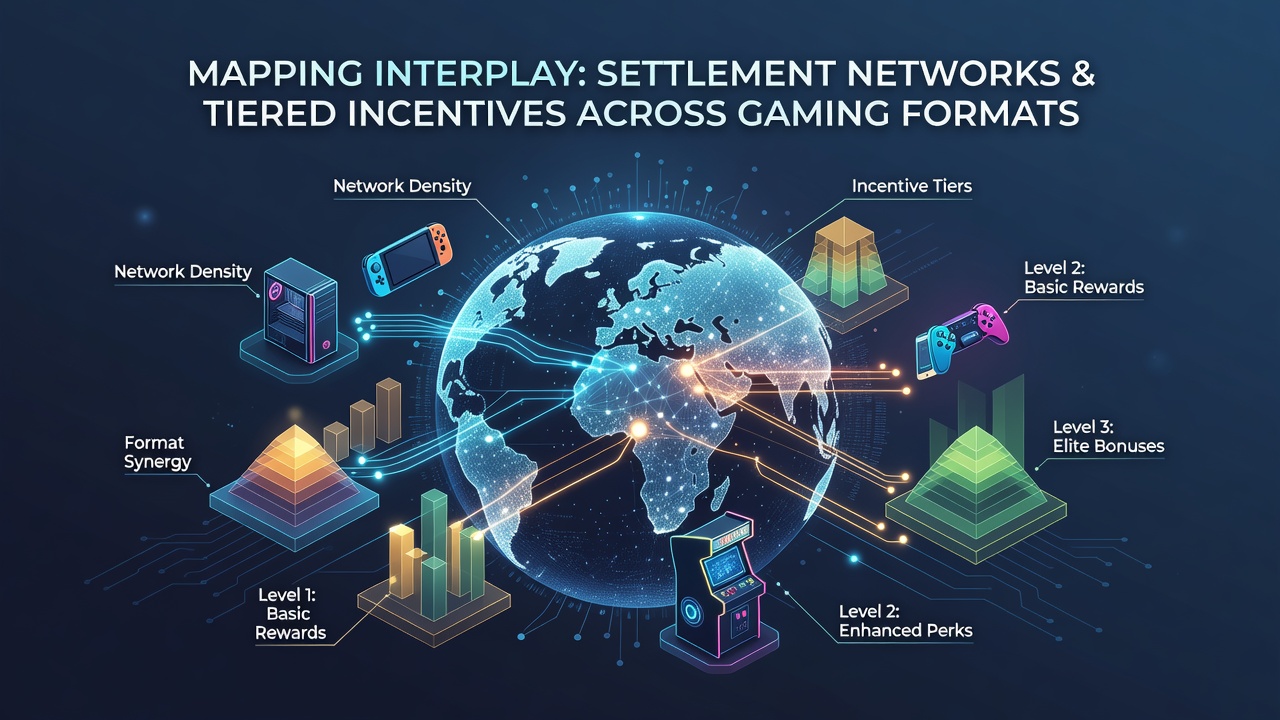
Settlement networks form the backbone of transaction processing in gaming operations, and their integration with tiered incentive programs creates measurable pathways for reward distribution across formats like slots, live tables, and sports betting. Data from industry reports indicate that efficient settlement systems reduce processing times, which in turn allows operators to release bonuses and loyalty points more rapidly to participants in different game categories.
Researchers have tracked how real-time settlement capabilities influence the structure of tiered programs, where players advance through levels based on activity volume and frequency. In slots, for instance, automated settlements enable instant crediting of progressive contributions, whereas sports betting often relies on confirmed outcomes before incentives unlock at higher tiers. This variation stems from regulatory requirements in multiple jurisdictions that dictate settlement verification standards.
Core Components of Settlement Networks in Gaming
Payment processors and clearing houses handle the movement of funds between players, operators, and third-party providers, and studies from the American Gaming Association highlight how these networks support cross-format consistency. Settlement occurs through digital rails that accommodate both fiat and alternative methods, with protocols that log each step for compliance audits. Observers note that faster networks correlate with higher retention rates in tiered systems because delays in fund movement can interrupt reward accumulation cycles.
Electronic wallet integrations accelerate these processes, particularly in live dealer environments where session-based play demands immediate balance updates. Data shows that settlement networks using blockchain elements provide immutable records, which operators use to verify tier eligibility without manual intervention. This approach applies across regions, including Canadian provincial frameworks that emphasize secure transaction trails.
Tiered Incentive Structures and Format Variations
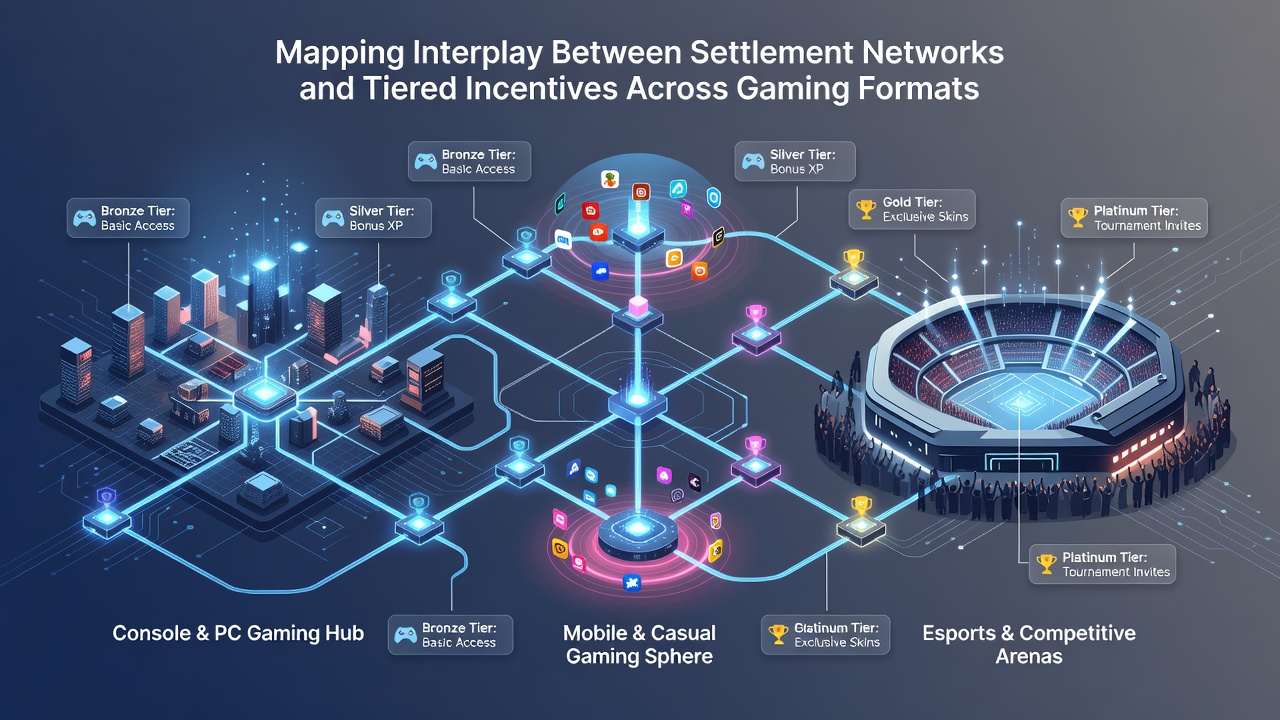
Tiered programs assign benefits such as cashback percentages, exclusive events, and multiplier effects based on cumulative play metrics, and these structures adapt to the settlement speed of each gaming format. In table games, slower settlement cycles due to dealer verification steps often result in weekly rather than daily point allocations at mid-level tiers. Sportsbooks, by contrast, process settlements post-event, which shifts incentive triggers toward parlay completions or volume milestones.
Analyses from the Australian Gambling Research Centre reveal patterns where hybrid programs blend elements from multiple formats, allowing a single settlement event to contribute toward tier progression in slots and betting simultaneously. Points systems employ algorithms that weight activity by format risk profiles, ensuring balanced advancement. Participants in higher tiers receive customized settlement priorities, such as priority processing for withdrawal requests tied to loyalty status.
Interconnections and Data Flows
The interplay emerges through shared data platforms that feed settlement confirmations directly into incentive engines, creating automated updates to player profiles. Figures from European gaming associations demonstrate that this linkage reduces administrative overhead while maintaining audit trails required by oversight bodies. In July 2026, several operators expanded these integrations following updates to cross-border transaction standards, enabling seamless point transfers between formats without additional verification layers.
Case examples include networks where a completed sports bet settlement triggers slot-specific multipliers for the same account holder, provided tier thresholds are met. Such mechanics rely on API connections between settlement providers and loyalty databases, and industry reports confirm their adoption in multi-format ecosystems. Geographic differences appear in implementation, with North American systems emphasizing consumer protection checkpoints during data handoffs.
Regulatory and Operational Considerations
Regulatory frameworks across jurisdictions mandate transparent settlement reporting that intersects with incentive disclosure rules, ensuring players receive accurate information on how activity translates to rewards. Research indicates that operators who align settlement timelines with tier review periods experience fewer disputes over point validity. This alignment proves particularly relevant in progressive jackpot environments, where contributions from various formats settle into pooled funds before distribution.
Operational teams monitor network latency metrics to predict impacts on incentive delivery, and adjustments often involve switching providers to maintain tier momentum. Evidence from academic papers on gaming economics shows that robust settlement infrastructure supports scalable tier expansions without compromising format-specific rules.
Conclusion
Settlement networks and tiered incentives function as interdependent systems that adapt to the operational realities of each gaming format. Data indicates ongoing refinements in these connections will continue to shape reward accessibility and player progression across platforms.