Payment Networks Linking Layered Rewards in Combined Table and Sports Platforms
Yara Brooks · Aug 12, 2026
Payment Networks Linking Layered Rewards in Combined Table and Sports Platforms
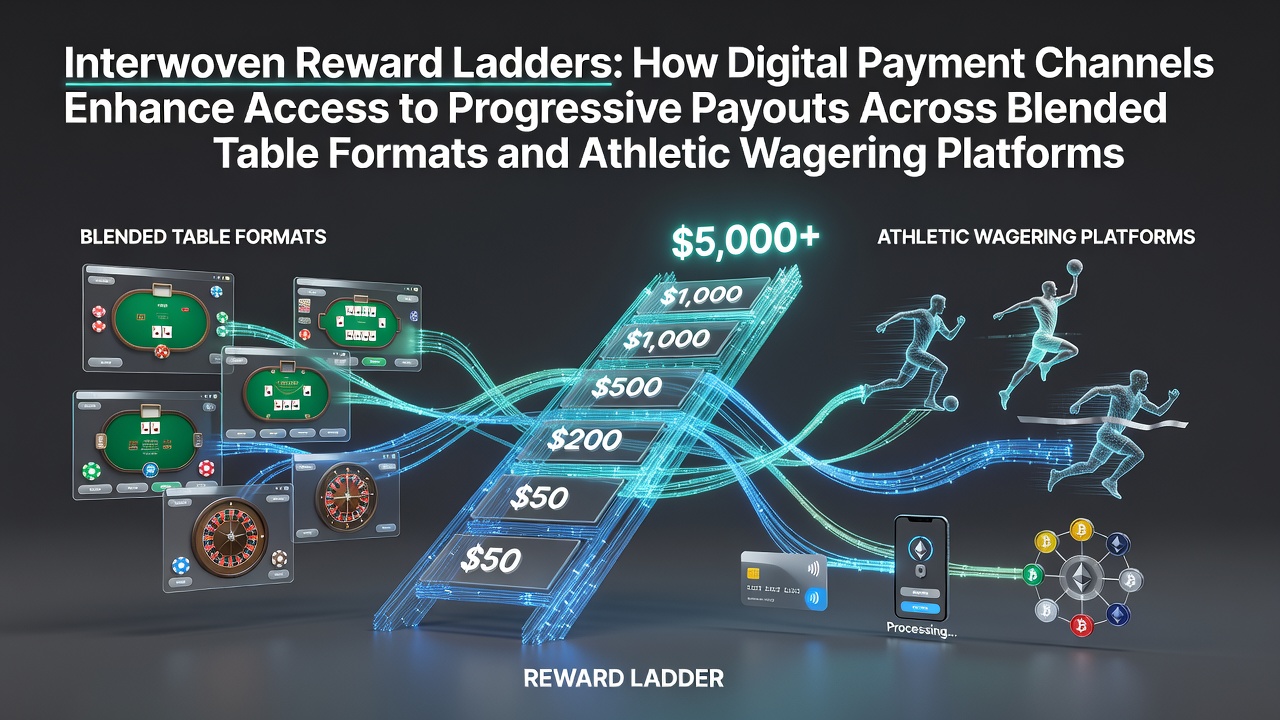
Digital payment channels have reshaped how reward structures operate across casino table formats and athletic wagering platforms by enabling faster transaction flows that tie directly into progressive payout mechanisms, and observers note that these systems create interconnected ladders where activity in one area accelerates access to benefits in others. Data from industry reports shows that electronic transfers reduce processing delays from days to seconds in many cases, which allows participants to move points or credits between game types without interruption.
Mechanics of Digital Integration in Reward Structures
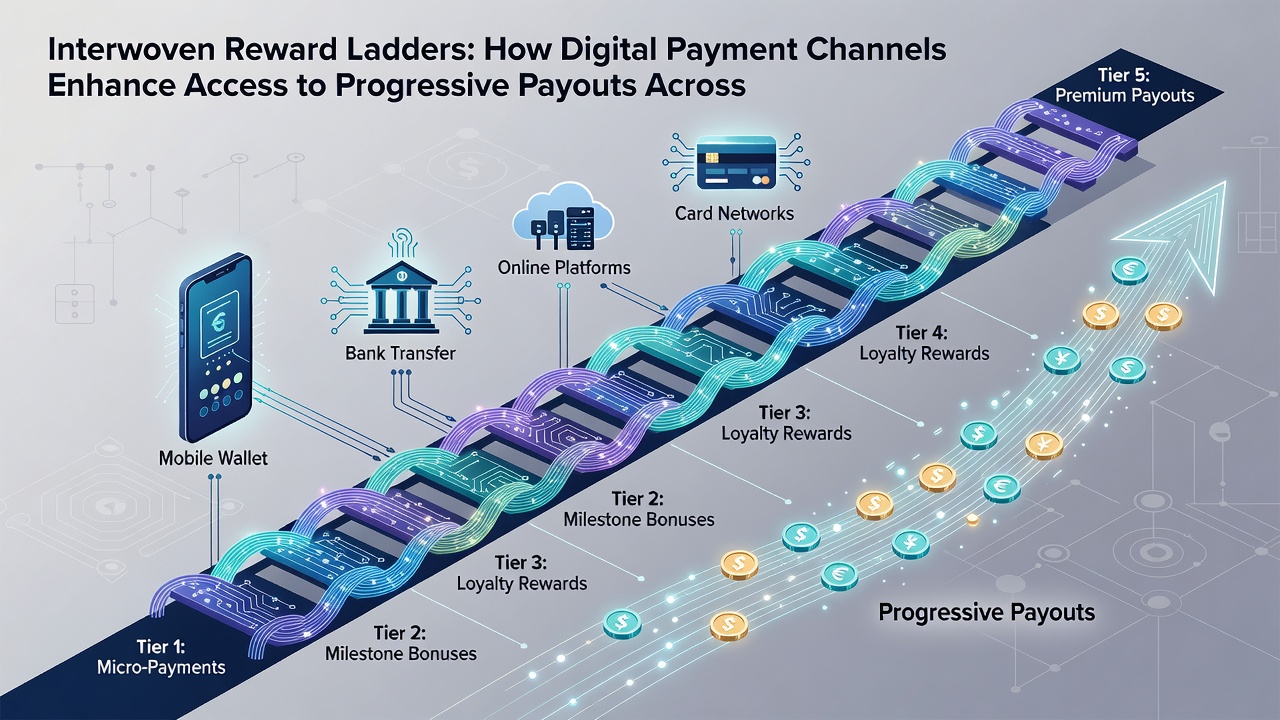
Payment processors now embed tracking tools that monitor deposits and withdrawals across multiple formats simultaneously, while reward programs adjust tiers based on cumulative activity rather than isolated play, and researchers at academic institutions have documented how this blending occurs through unified ledgers that update in real time. For instance one analysis from a Canadian university study found that platforms using instant settlement methods recorded higher crossover participation between table games and sports events compared with those relying on traditional banking routes. Such connections mean that a deposit made for blackjack can contribute to a sports betting threshold almost immediately, unlocking higher progressive payout eligibility without separate verification steps.
Progressive Payout Pathways Across Formats
Progressive systems in blended environments accumulate contributions from table wagers and sports stakes into shared pools, and digital channels facilitate this by routing funds through secure APIs that log every transaction against a single user profile. Evidence suggests these setups increase the frequency of tier advancements because the reduced friction encourages sustained engagement, whereas older methods often created gaps where pending transactions stalled progress. In August 2026 several platforms reported expanded use of these tools following updates to cross-border payment standards that improved compatibility between European and North American operators.
Case Examples from Operational Platforms
Take one major operator that introduced wallet-based transfers linking slot-adjacent table play with athletic odds markets, and data indicates participants reached mid-tier rewards 25 percent quicker than under prior systems according to internal metrics shared with trade groups. Another setup in Australia integrated government-approved digital currencies to handle both live dealer sessions and event-based bets, which allowed seamless point transfers that fed into larger payout ladders. These arrangements rely on encrypted verification layers that maintain compliance while speeding access, and industry organizations such as the American Gaming Association have published summaries highlighting similar patterns across regulated markets.
Challenges and Technical Considerations
Security protocols must balance speed with verification requirements because rapid transfers across formats increase exposure to certain risks, yet developers address this through layered authentication that still permits near-instant updates to reward status. Figures from research papers reveal that platforms adopting multi-factor digital channels experience fewer disputes over delayed credits, and this stability supports longer participation cycles in progressive systems. Observers note that regulatory environments in various regions continue to evolve standards for these integrations, with emphasis on transparent logging of all cross-format movements.
Future Directions in Unified Systems
Emerging technologies such as blockchain-based ledgers are being tested for their ability to further weave payment data into reward calculations across table and sports offerings, and preliminary findings from pilot programs suggest even tighter synchronization without added latency. Trade reports indicate growing adoption rates in markets outside traditional hubs, driven by demand for unified experiences that treat every wager type as part of one ladder. Those who have examined these developments point to continued refinement in API connectivity as the key factor enabling broader access to progressive elements.
Conclusion
Digital payment channels continue to serve as the connective tissue for interwoven reward ladders by streamlining how activity translates into progressive payout opportunities across blended table formats and athletic wagering platforms, and available evidence shows measurable improvements in accessibility when these tools operate under established compliance frameworks. Ongoing refinements in transaction infrastructure point toward even more integrated models in coming periods.