Payment Trail Mapping: How E-Wallet Sequences Shape Layered Incentives Across Mobile Table Play and Sports Hybrids
Gisela Brooks · Jun 24, 2026
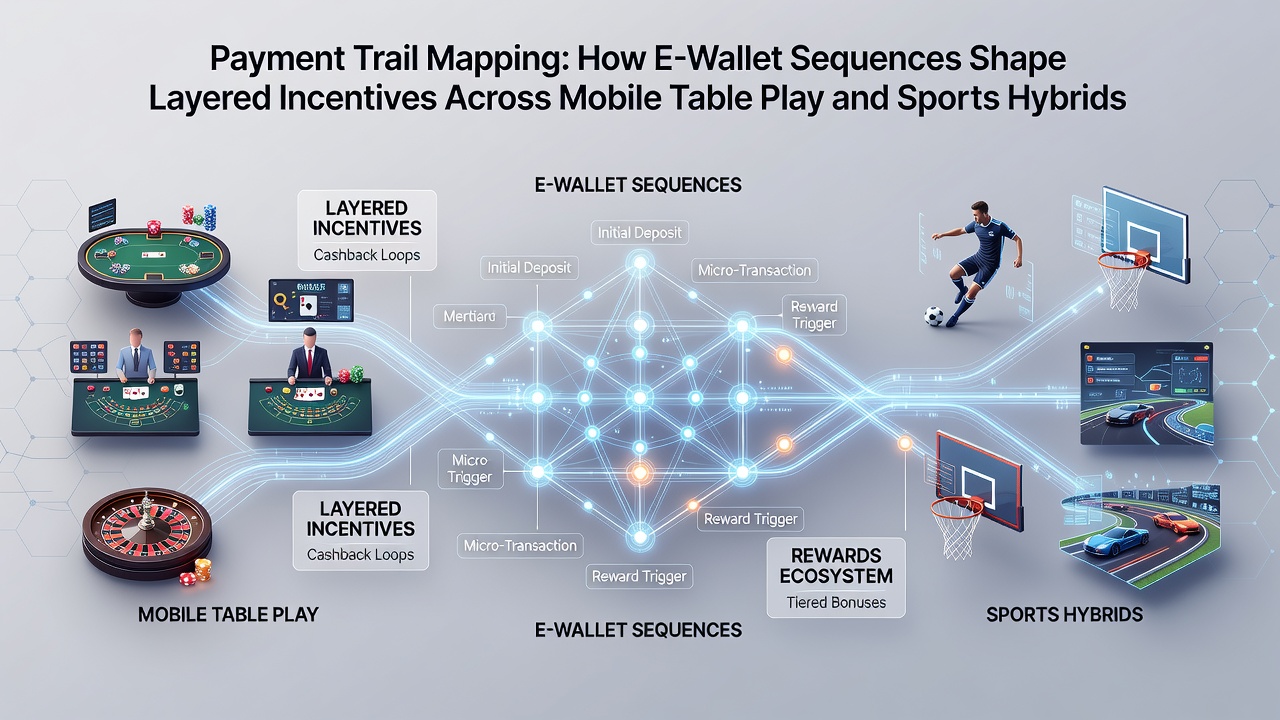
Payment Trail Mapping: How E-Wallet Sequences Shape Layered Incentives Across Mobile Table Play and Sports Hybrids
Observers note that payment trail mapping tracks sequences of e-wallet transactions in gambling environments where mobile table play merges with sports betting features, and data from industry reports shows these sequences often determine how incentives layer across different game types. Research indicates that when players move funds through digital wallets the order of deposits, withdrawals and transfers creates patterns that operators use to adjust reward structures in real time. Studies from gaming analytics firms reveal that e-wallet sequences typically start with an initial deposit which then links to subsequent bets on hybrid platforms combining live dealer tables and in-play sports wagers. According to findings published by the Nevada Gaming Control Board in early 2026 these sequences allow systems to identify high-frequency users and apply tiered bonuses that activate after specific transaction counts are reached.Mapping Transaction Flows in Mobile Settings
Payment trails form when users complete a series of actions such as funding an account, placing a table game bet and then shifting to a sports market without leaving the same application. Data shows that each step leaves a record which platforms analyze to predict future behavior and distribute incentives accordingly. In June 2026 several operators updated their tracking tools to capture these flows more precisely across devices.
Those who examine the data find that shorter intervals between e-wallet actions often trigger immediate reward layers while longer gaps lead to different incentive types such as loyalty points rather than instant cashback. Research indicates mobile table play benefits from these patterns because live dealer sessions require quick funding and sports hybrids add another layer when users switch between table outcomes and event-based bets.
Layered Incentives and Sequence Dependencies
Layered incentives build when one transaction unlocks access to the next reward level and e-wallet records determine eligibility. For example a deposit followed by a table bet and then a sports wager can activate a combined bonus that would not appear if the same funds were used only on one category. Figures from European gaming associations show that such combinations increased by 18 percent in tracked markets during the first half of 2026.
Payment trail mapping helps identify these dependencies because it logs not just amounts but timing and order. Observers note that players who follow consistent sequences receive offers that accumulate across mobile table sessions and sports hybrids whereas irregular patterns result in standard rewards only. This system relies on automated analysis rather than manual review in most cases.
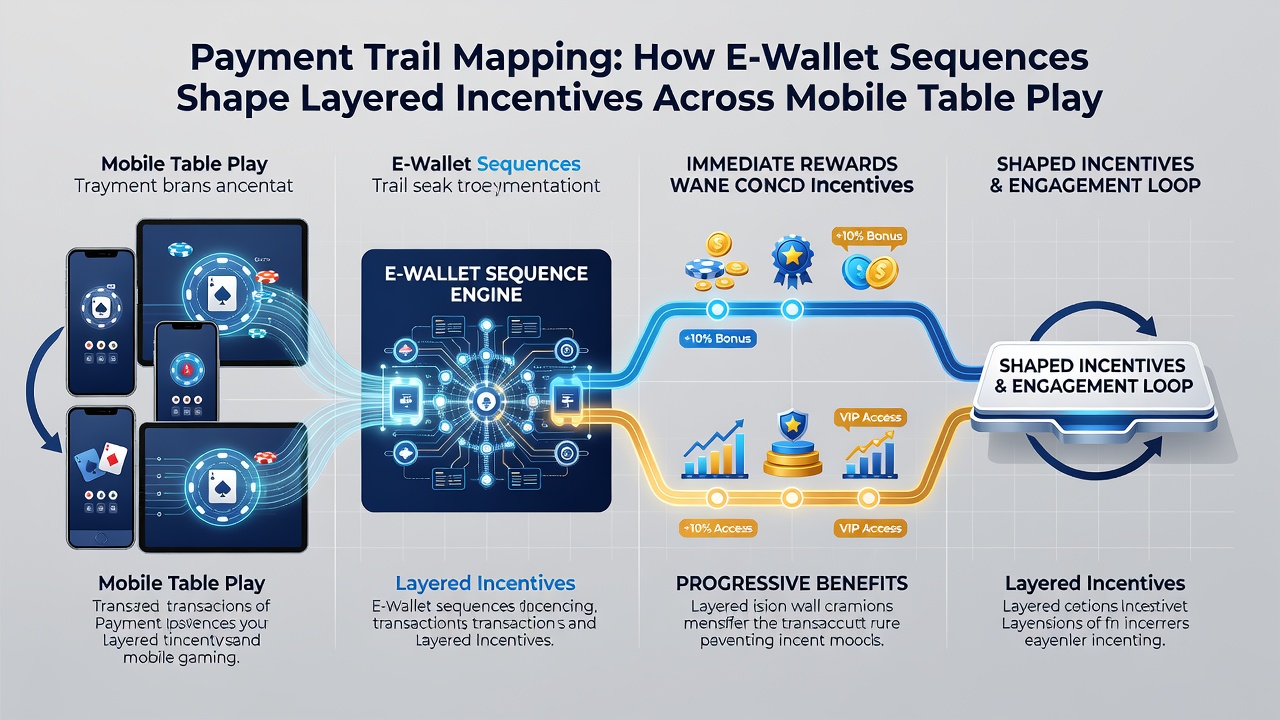
Integration Across Table and Sports Features
Hybrid platforms combine mobile table play with sports betting so that a single e-wallet sequence can influence rewards in both areas at once. Research from the University of Nevada, Las Vegas Center for Gaming Research demonstrates that when users complete a deposit then play roulette followed by a live football bet the system registers the sequence as a unified activity path. This registration allows operators to apply bonuses that span both categories rather than treating them separately.
Additional data indicates that withdrawal actions also factor into the mapping because a quick cash-out after a winning sports bet can reset the incentive sequence for the next table session. In practice this means players who maintain longer trails without early withdrawals often qualify for higher-tier rewards that include free spins on table games or enhanced odds on sports markets.
Regional Data and Platform Adjustments
Reports from the Canadian Centre for Gaming Research highlight similar patterns in North American markets where e-wallet sequences shape how loyalty programs merge table and sports elements. Platforms adjust their algorithms based on aggregate trail data rather than individual accounts to maintain compliance with local rules. These adjustments occur regularly as new transaction types emerge in mobile environments.
Payment trail mapping continues to evolve with updates to e-wallet providers and changes in hybrid game offerings. Evidence suggests that operators monitor these developments to refine incentive structures while keeping records that support regulatory reporting requirements in multiple jurisdictions.
Conclusion
Payment trail mapping provides a framework for understanding how e-wallet sequences influence layered incentives in environments where mobile table play and sports hybrids intersect. Available data shows consistent links between transaction order and reward distribution across platforms. As tracking methods advance through 2026 further refinements in these systems are expected based on ongoing analysis from regulatory and research sources.