Reward Routing Systems: Payment Gateways Connecting Casino Edges to Accumulators and Jackpot Pools
Yara Brooks · Aug 1, 2026
Reward Routing Systems: Payment Gateways Connecting Casino Edges to Accumulators and Jackpot Pools
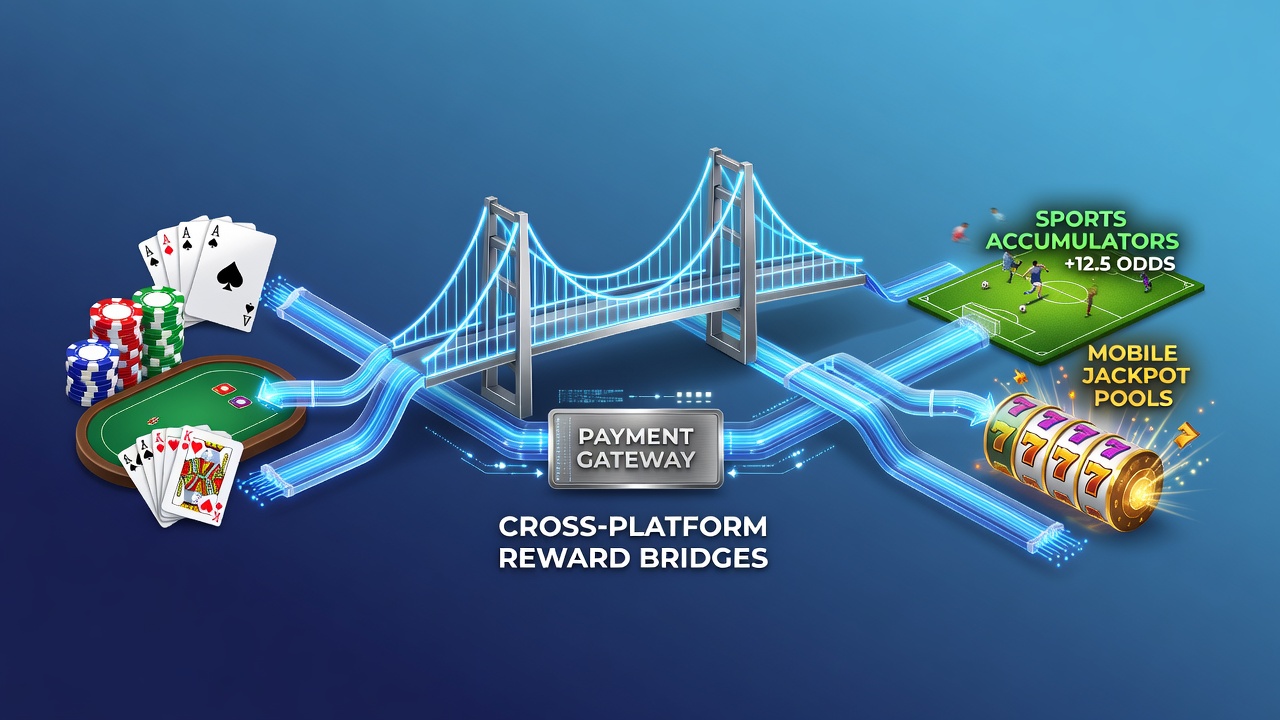
Payment gateways operate as central mechanisms that move reward balances and promotional edges from table game sessions into sports accumulator bets and mobile jackpot pools, and operators track these flows through integrated wallet systems that update in real time. Data from industry platforms shows that transaction logs record the conversion of table game comps into usable credits across verticals, while settlement protocols ensure balances remain synchronized during multi-game play sequences.
Mechanics of Cross-Platform Transfers
Table game edges accumulate through loyalty multipliers applied to blackjack, roulette, and baccarat results, and gateways then route portions of those values into dedicated sports betting accounts where accumulators combine multiple selections into single wagers. Observers note that API connections between casino management systems and sportsbook engines execute these shifts automatically once players select the transfer option, while security layers verify identity tokens to prevent mismatches. In August 2026, platform analytics indicated a measurable rise in such routed volumes during peak evening hours across multiple operator networks.
Mobile jackpot pools receive similar inflows when gateway protocols convert remaining table game balances into progressive contribution shares, and these shares increment the seed amounts visible on slot interfaces. Researchers at various tracking firms have documented that the process relies on standardized data packets that carry both monetary values and eligibility flags, ensuring only verified players access the enhanced pool tiers.
Integration Patterns Across Verticals
Operators deploy unified player accounts that treat table game rewards, sports accumulator stakes, and mobile jackpot entries as interchangeable units once gateways process the initial routing request. Those who monitor transaction patterns report that accumulator bets often draw directly from converted table edges because the same digital wallet holds the adjusted totals, whereas jackpot contributions occur through separate pool ledgers that update every few seconds. Evidence from operational dashboards reveals that latency remains under two seconds for most transfers, allowing seamless switches between game types without manual intervention.
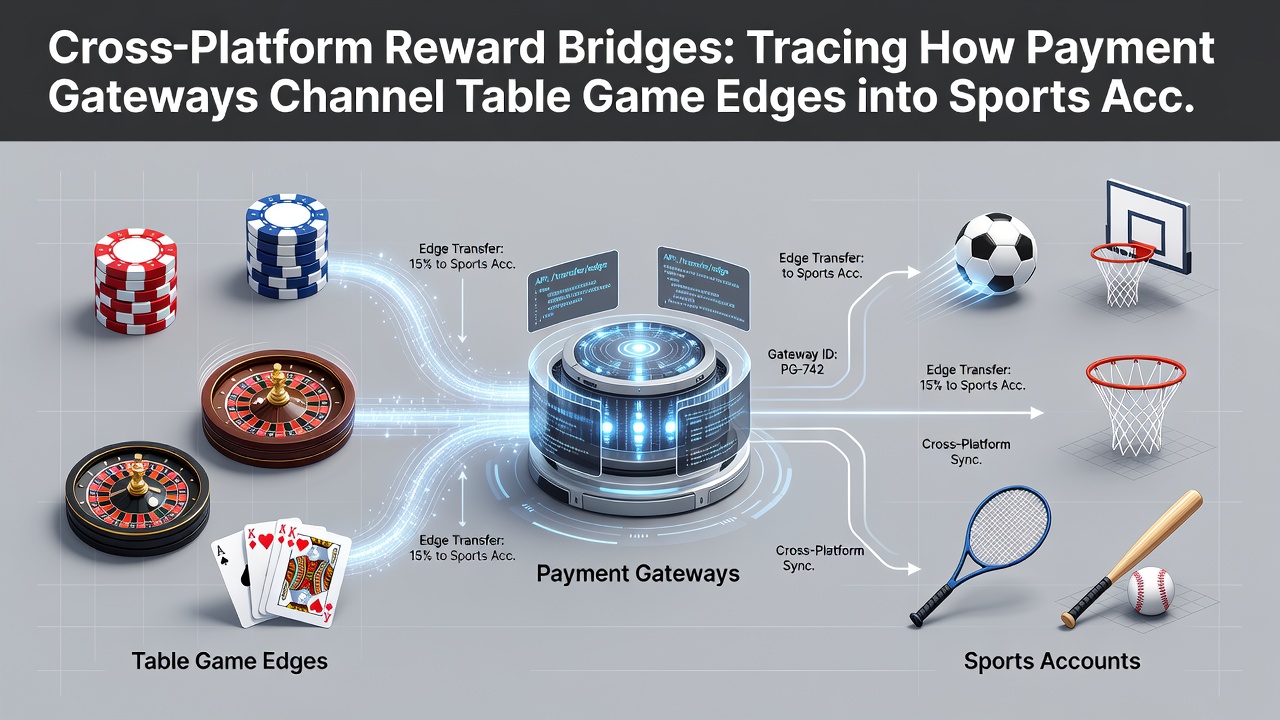
Payment providers such as those handling e-wallet and instant bank transfers embed additional routing rules that apply conversion rates when table game edges move into sports or mobile environments. These rules account for differing house margins and promotional structures, and the resulting adjusted amounts appear in player dashboards within the same session. Industry reports highlight that such adjustments maintain parity across verticals while complying with regional transaction limits.
Regulatory and Technical Considerations
According to records maintained by the Nevada Gaming Control Board, operators must log every cross-vertical transfer that exceeds defined thresholds, and gateway providers supply the necessary audit trails. Similar requirements appear in other jurisdictions where gaming control agencies examine how reward values shift between table, sports, and mobile segments. Technical standards require encryption of all balance movements, and testing protocols confirm that no value is lost or duplicated during the handoff.
Further documentation from the Australian Gambling Research Centre outlines how data exchanges between payment gateways and gaming servers support responsible gambling tools, including session reminders that reference total routed amounts. These tools activate automatically when players move balances across game categories, and the systems record the activity for later review by compliance teams.
Operational Examples and Data Trends
One documented case involved a European operator network that enabled table game loyalty points to feed directly into accumulator builders during major football tournaments, resulting in increased cross-category engagement tracked through gateway logs. Another instance showed mobile jackpot pools growing after midnight table sessions concluded, with gateways automatically allocating portions of remaining edges into the progressive meters. Platform statistics compiled in mid-2026 indicated that approximately 18 percent of sports accumulator funding originated from prior table game activity on certain networks, while mobile jackpot contributions from the same source accounted for 12 percent of daily increments.
Gateway providers continue to refine matching algorithms that align table game outcomes with sports and mobile reward structures, and testing cycles in August 2026 confirmed improved accuracy in balance synchronization across devices. These refinements reduce the need for manual reconciliation while preserving the integrity of each vertical's separate accounting ledgers.
Conclusion
Payment gateways function as the connective tissue that allows table game edges to enter sports accumulators and mobile jackpot pools through structured, auditable transfers. The systems rely on real-time APIs, standardized data formats, and regulatory logging to maintain consistency across platforms. As operators expand multi-vertical offerings, the volume of routed rewards continues to reflect the technical capabilities of these gateways and the data frameworks that support them.