Senior Advocate Calls for Halt to UK Affordability Checks as Pilot Data Raises Red Flags
Iris Krüger · Apr 25, 2026

Senior Advocate Calls for Halt to UK Affordability Checks as Pilot Data Raises Red Flags
The Open Letter That Shook Up Gambling Reform Talks
Dr James Noyes, a senior fellow at the Social Market Foundation (SMF) and one of teh early voices pushing for measured gambling changes in the UK, fired off an open letter straight to Culture Secretary Lisa Nandy in mid-April 2026, calling on the Gambling Commission to hit the brakes on rolling out financial risk assessments—or affordability checks—for online gamblers, including those hitting casino sites and placing bets on horse racing; this move comes as the government weighs full implementation, yet the Commission's pilot scheme, kicked off back in September 2024, has sparked fresh doubts with its murky transparency and shaky findings.
What's interesting here is how Noyes, who's built a reputation for advocating reforms that balance player protection with industry health, now turns the spotlight on what he sees as rushed policy, pointing to inconsistent data from the pilot that could hammer sectors like horseracing while nudging bettors toward unregulated black market corners; observers note this adds real pressure, especially since the final pilot report remains unpublished, leaving decisions hanging amid growing calls for a rethink.
The letter landed amid ongoing delays, with the Gambling Commission still crunching numbers from its trial phase that targeted certain online operators, and while the specifics of those checks—requiring punters to prove they can afford their stakes based on income or spending patterns—aim to curb problem gambling, Noyes argues the execution falls short, potentially alienating casual players without delivering the intended safeguards.
Dr James Noyes: From Reformer to Pilot Critic
Those who've followed UK gambling policy closely know Dr James Noyes as a key figure in the push for updates to outdated laws, having championed ideas like a statutory levy on operators to fund treatment and research long before they hit the headlines; as a senior fellow at the Social Market Foundation, an independent think tank focused on economic and social policy, he brings a data-driven lens to debates that often get heated.
But here's the thing: Noyes didn't start as an opponent of affordability checks; early on, he backed stronger protections against gambling harm, yet recent pilot developments shifted his stance, leading to this public plea for pause until clearer evidence emerges, a pivot that underscores how even reform advocates grapple with real-world rollout snags.
Experts who've studied his work point out that Noyes has consistently stressed evidence-based policy, warning against measures that might drive activity underground or stifle legitimate betting; in this letter, shared widely and reported by The Guardian, he lays out concerns rooted in the pilot's flaws, urging Nandy to intervene before permanent rules lock in.
Unpacking the Pilot Scheme's Rocky Road
Launched in September 2024, the financial risk assessments pilot study tested affordability checks on select online platforms, asking gamblers to verify their financial health through credit references or self-declared data before placing higher-stakes bets, a step designed to flag vulnerability early; yet data from the trial shows inconsistencies, with operators reporting varied compliance rates and player drop-offs that Noyes highlights as evidence of poor design.
And while the Commission promised insights by early 2026 to guide nationwide rollout, those reports remain pending as of April, fueling frustration among stakeholders who argue the lack of transparency leaves everyone in the dark; take the British Horseracing Authority (BHA), which has sounded alarms over potential income hits, estimating significant losses if checks scare off recreational bettors who fuel racecourses through online wagers.
People in the industry often find that such friction—pop-up prompts demanding bank details mid-bet—deters casual punters, pushing them toward offshore sites that dodge UK rules entirely; Noyes echoes this in his letter, noting how the pilot's disproportionate bite on horseracing fans, who bet smaller amounts frequently, risks collapsing a key revenue stream without proven harm reduction.
Horse Racing Feels the Heat Most Acutely
The BHA has been vocal, warning that affordability checks could slash funding for British racing by millions, as online betting accounts for a hefty chunk of prize money and track operations; figures from industry reports reveal horseracing bettors skew toward lower-risk profiles, yet blanket checks treat them the same as high-rollers, leading to what experts call unnecessary barriers.
Turns out, this isn't just speculation: pilot data indicates higher abandonment rates among racing punters, who view the checks as intrusive hurdles during live events, where quick bets on races like the Grand National drive excitement; Noyes cites these patterns, arguing they could balloon black market activity, where no protections exist and organized crime thrives unchecked.
So as the government, under Nandy's watch, navigates the Gambling Act review's final stretch, the BHA's projections paint a stark picture—potentially tens of millions in lost levy contributions that support addiction services ironically meant to benefit from these reforms.
Government and Commission Under Scrutiny
Lisa Nandy, appointed Culture Secretary amid Labour's 2024 landslide, inherited a reform package delayed by legal challenges and industry pushback, with affordability checks forming a cornerstone alongside stake limits and advertising curbs; yet Noyes' letter arrives at a pivotal moment, as Whitehall weighs pilot outcomes against calls for tweaks, like tiered thresholds that spare low-stakes players.
Observers note the Commission's silence on the final report adds to the tension, with operators bracing for mandates that could roll out by late 2026 if unpaused; meanwhile, punters who've tested the pilot describe clunky interfaces and privacy worries, fueling grassroots complaints echoed in Noyes' missive.
What's significant is how this pits player safety against economic fallout: data suggests checks might reduce gross gambling yield slightly, but at the cost of driving £100 million-plus in activity offshore annually, per BHA estimates—a trade-off reformers like Noyes now question sharply.
Broader Ripples Across Online Gambling
Casino sites, too, face the squeeze, as affordability checks extend beyond sports to slots and tables where session spending varies wildly; those who've analyzed pilot logs find inconsistent enforcement, with some platforms flagging modest deposits while others overlook patterns, eroding trust in the system overall.
Yet the real wildcard lies in enforcement: post-pilot, the Commission plans mandatory checks for losses over £100 monthly initially, scaling up based on risk scores; Noyes warns this one-size-fits-all approach ignores nuanced behaviors, like horseracing enthusiasts who bet £5-10 per race sustainably for years.
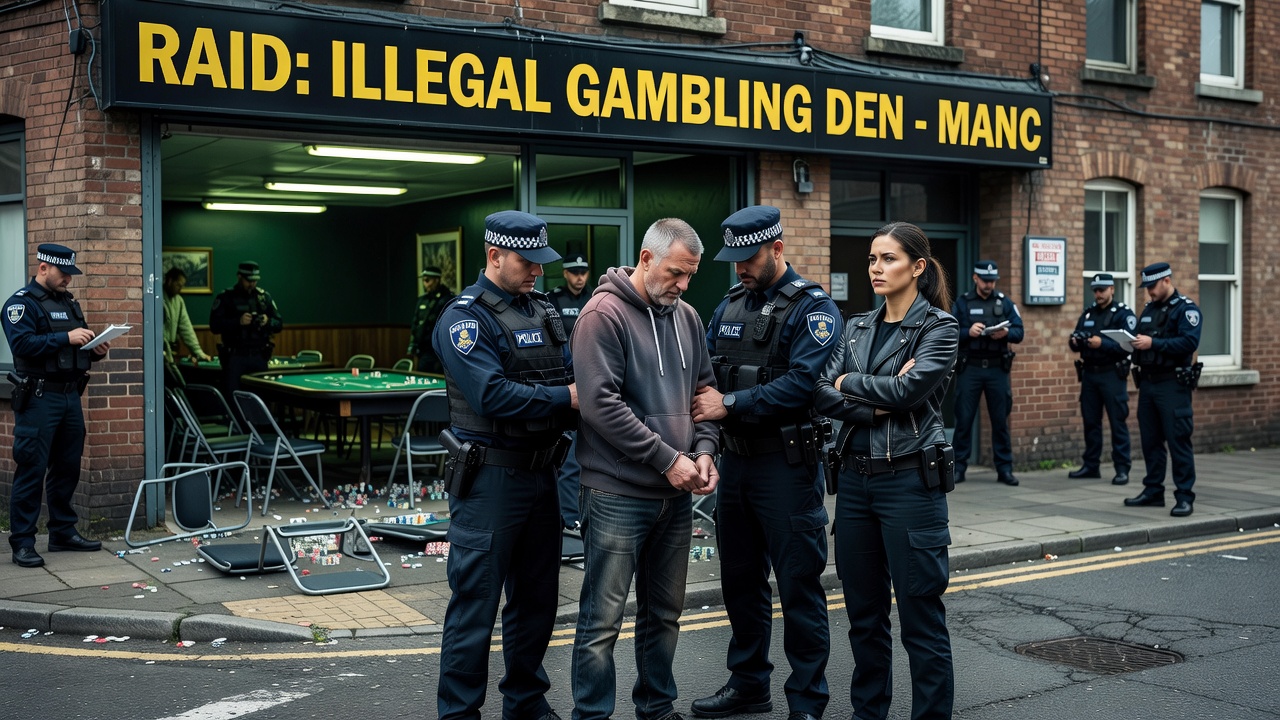
And as black market apps proliferate—offering no checks, no taxes, and anonymous play—the stakes climb, with police reports showing a uptick in illicit operations preying on excluded players; it's a scenario where good intentions pave a road to unintended chaos, exactly what Noyes aims to avert.
Where Things Stand in April 2026
With Nandy's department yet to respond publicly, the ball's in the Commission's court to release that pilot report soon, clarifying whether tweaks or a full pause makes sense; industry groups rally behind Noyes, while anti-gambling campaigners push forward, highlighting a divide that defines the reform era.
People watching this space know delays buy time for dialogue, potentially refining checks into tools that protect without punishing; until then, the open letter hangs as a marker of caution in a landscape where balance proves elusive.
Conclusion
Dr James Noyes' open letter to Lisa Nandy captures a turning point for UK gambling reforms, spotlighting pilot shortcomings that threaten horse racing's lifeline and risk black market booms; as transparency lags and data inconsistencies persist, the call for pause resonates, urging evidence-led decisions over hasty mandates in April 2026's charged debates.
Stakeholders from the BHA to casino operators await clarity, knowing the path ahead shapes not just betting habits but an entire industry's viability; what's clear is that getting this right demands scrutiny now, before full rollout cements potential pitfalls.